Helen Keller Comes to Penn Yan
by Tricia Noel
| |
 |
| |
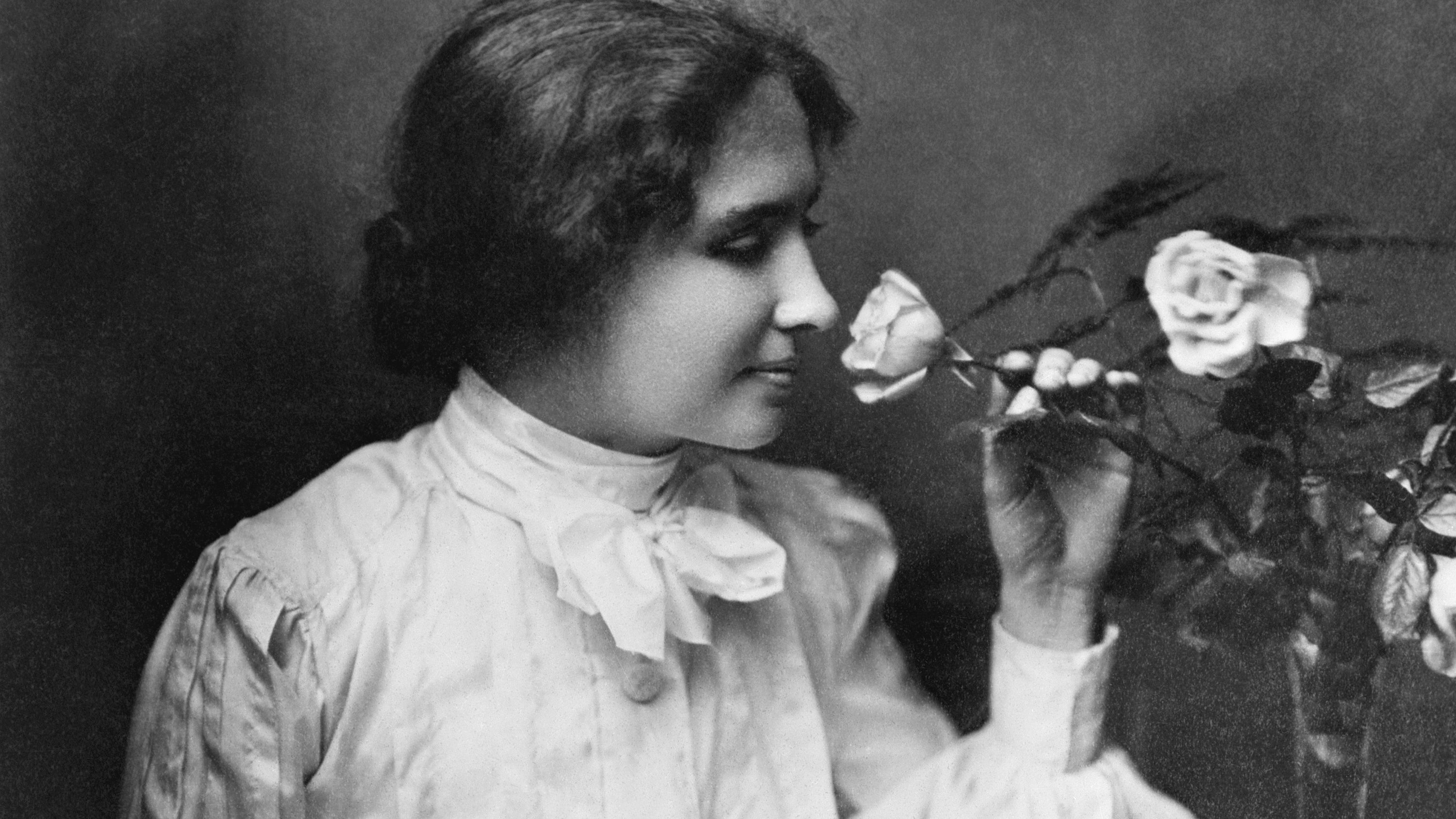
Helen Keller |
| |
|
| |
 |
| |
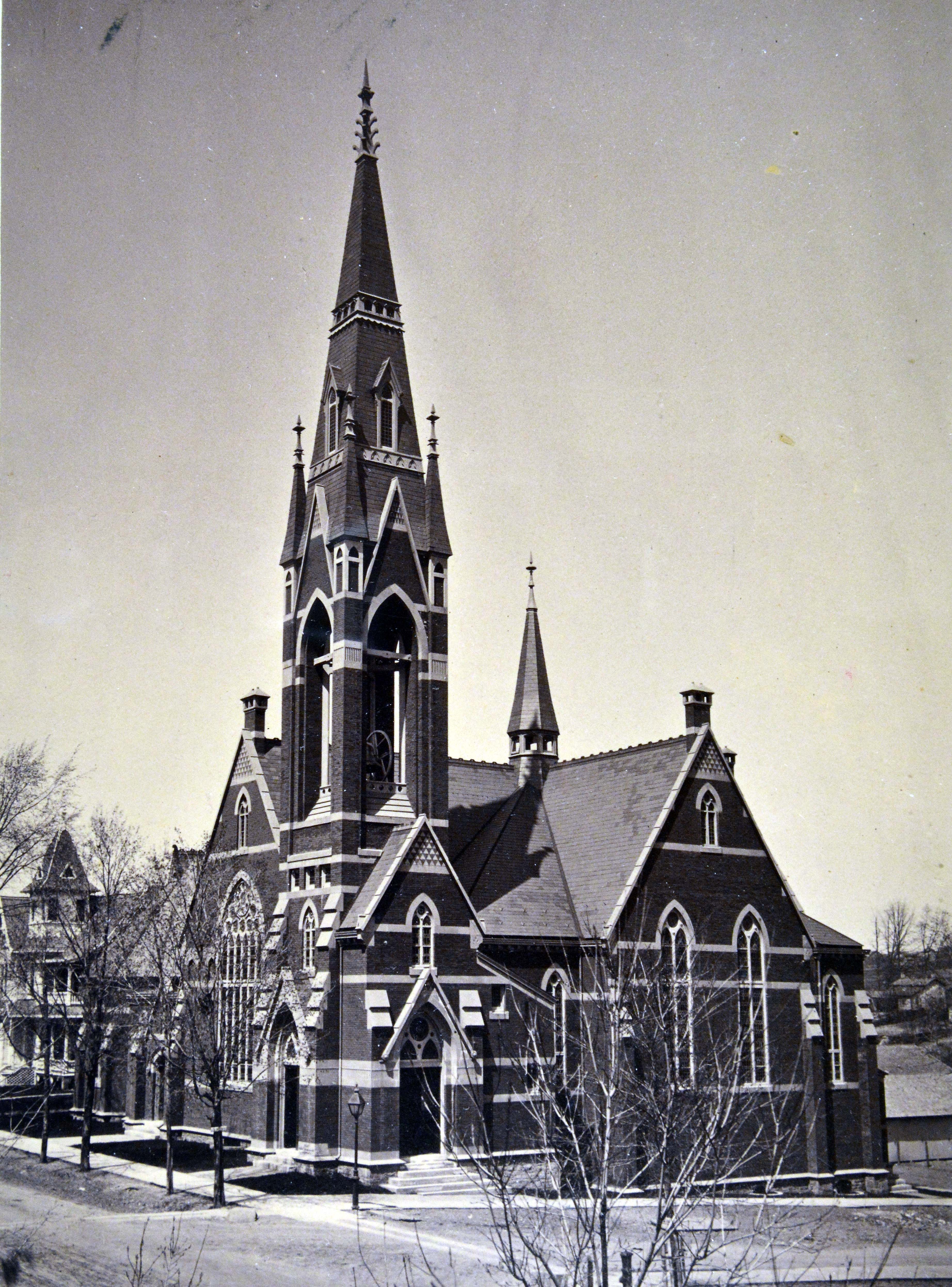
Penn Yan Presbyterian Church |
| |
|
A century ago this month, in April of 1926, Helen Keller went on a whirlwind tour of Upstate New York. Newspapers all over the state reported scheduled appearances throughout the end of March and through the whole month of April that year. One of the places she stopped to lecture was Penn Yan.
Four different newspaper announcements prepared Yates County for her arrival. One of the announcements was penned by C.K. Imbrie in his “Church Notes” column in the April 14 edition of the Chronicle-Express. Imbrie was the minister at the Penn Yan Presbyterian Church, where Keller was to speak. “This is a rare opportunity which none should miss,” he wrote. The paper also ran a separate article that day about her planned visit, calling her a “wonder woman.” Keller’s planned speech was also announced with more detail on April 21 in the Chronicle-Express and April 22 in the Dundee Observer.
Keller was speaking on behalf of the American Federation for the Blind, and had spoken just before her Penn Yan visit in Elmira. Accompanying Keller was Anne Sullivan Macy, her teacher, who was almost as famous as Keller herself. Keller and Sullivan arrived in Penn Yan on April 23, 1926 and gave her speech that evening at 7:30 at the church. There were several hotels in Penn Yan at the time in which Keller and Sullivan Macy could have stayed, although the newspapers did not report on which, likely for privacy reasons.
Keller was a household name in the United States by then. She was born in 1880 in Tuscumbia, Alabama, into a wealthy family. She was the daughter of Arthur and Kate Adams Keller. Helen became ill at the age of nineteen months with what may have been scarlet fever or meningitis, and the resulting fever caused the loss of her sight and hearing. The Kellers, not knowing how to teach or discipline Helen, finally obtained Sullivan as her live-in teacher in 1887. Sullivan, almost blind herself, was a graduate of Perkins School for the Blind in Massachusetts. The daughter of impoverished Irish immigrants, Sullivan had lost most of her sight through an illness and several botched surgeries. She taught Helen words by making signs into her hand. Eventually, Helen learned to speak and read Braille from Sullivan, and went on to graduate from Radcliffe College in Boston. She also learned to “row, swim, play chess, and cards,” states the Yates County Chronicle, upon reporting her graduation in 1910. She passed exams in Latin, French, German and Greek, amongst other subjects. Her autobiography The Story of My Life contributed to her fame, as did her writings and lectures on politics, education, and social movements. She co-founded the American Civil Liberties Union (ACLU) and campaigned for women’s suffrage. On women’s suffrage, she had famously stated during a 1916 speech, “We have prayed, we have coaxed, we have begged, for the vote, with the hope that men, out of chivalry, would bestow equal rights upon women and take them into partnership in the affairs of the state. We hoped that their common sense would triumph over prejudices and stupidity. We thought their boasted sense of justice would overcome the errors that so often fetter the human spirit; but we have always gone away empty-handed. We shall beg no more."
None of the papers reported on the content of her lecture, but her work with the American Federation for the Blind spanned four decades, and she helped establish a large trust fund for their benefit. It was this speaking tour on which she was trying to raise funds for the trust. In the end, she was successful, and helped establish a $2,000,000 endowment for the organization. This endowment helped provide resources for over 100,000 sight impaired people in the United States. Her work with the Federation, including her brief stint in Penn Yan, exemplified her belief that "We are never really happy until we try to brighten the lives of others."
|